Trending

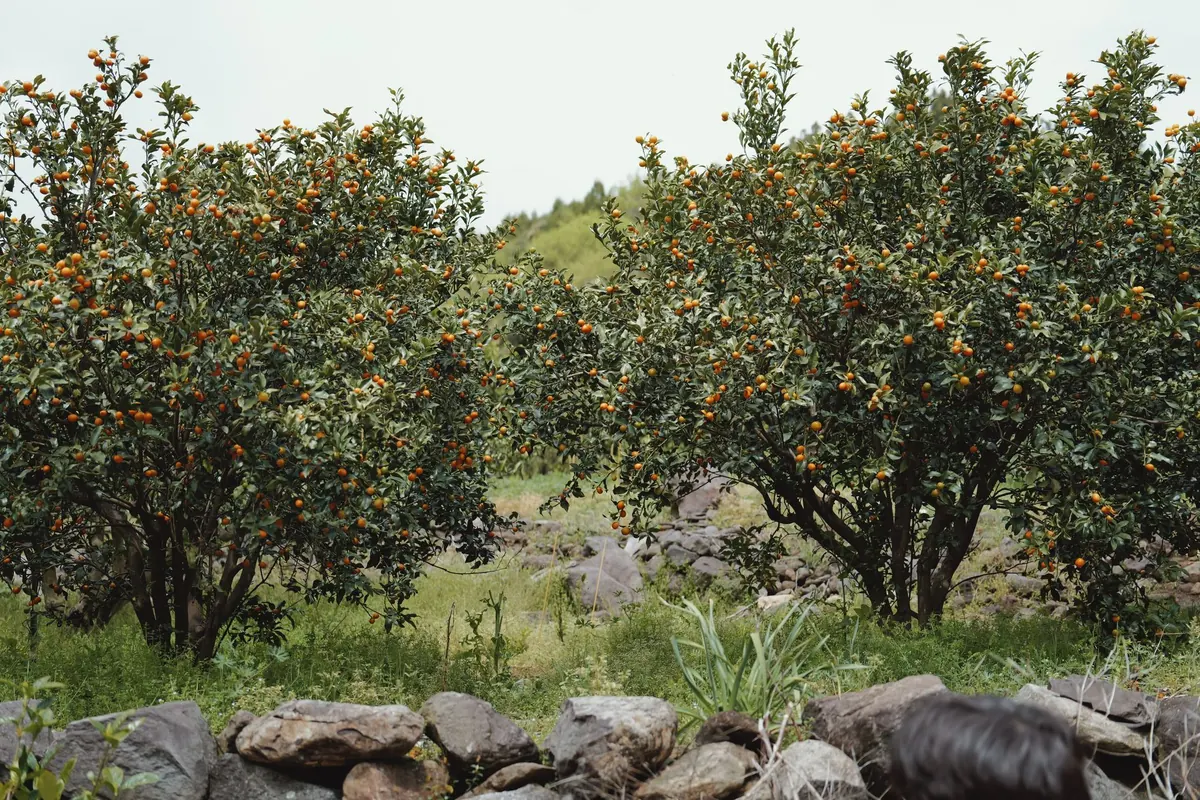
A trained fruit tree is a flat, productive shape that fits along a wall, a fence or a row of posts, and it crops harder per square metre than a free-standing tree of the same age. If your plot is small, or your best light falls on a boundary rather than the middle of the lawn, training is how you make that space earn its keep.
Cordon, espalier and fan are the three forms most worth knowing. They suit different fruits, different sites and different levels of patience, and picking the wrong one is the usual reason a trained tree ends up as a shapeless bush with a bent trunk.
A restricted form does three useful things at once. It keeps the tree small enough to pick from a path without a ladder, it opens the centre to light and air so fruit ripens and disease pressure drops, and it puts the crop where you want it, along a boundary, rather than in the middle of the lawn. You can also net a trained tree in minutes when the blackbirds move in.
The trade-off is pruning. A restricted tree stays restricted only while you cut it back each year. Leave an espalier alone for three summers and it will grow out into a bush with a strange ladder of dead wood inside it.
A cordon is a single stem with short fruiting spurs along its length, planted at roughly 45 degrees and tied to a wire frame. The angle is doing real work: it slows the sap and pushes the tree into making flower buds rather than long extension growth.
Space cordons 60 to 75cm apart along a row, with wires at around 60cm intervals and a final height of about 1.8m, which you reach in a few years and then stop. Apples on M9 or M27, pears on Quince C or A, and soft fruit such as redcurrants, whitecurrants and gooseberries all work well. Choose spur-bearing cultivars: 'Discovery', 'Egremont Russet' and 'Fiesta' are dependable, while tip-bearers like many cooking apples sulk and crop poorly in this form.
Summer is when you prune. In late July and August, shorten the side shoots the tree has made this season back to about three buds above the cluster of spurs. Tie the leader in as it extends, then pinch it out when it reaches the top wire.
Cordons are the cheapest way into trained fruit and usually the quickest to crop. Because you can plant several in a short run, you get pollination partners and a spread of ripening times in a few metres of fence.
An espalier has a central stem with pairs of horizontal arms trained out at 40 to 45cm intervals, usually three or four tiers with the top around 2m. Plant it 25 to 30cm out from the wall and set your wires to match the arms, using vine eyes and tensioned galvanised wire.
Apples on M26, or MM106 on thin, dry soil, and pears on Quince A are the classic choices. Bear in mind that a warm, sheltered wall pushes growth along, so lean towards the more dwarfing rootstock than you would in the open.
Espaliers also work free-standing on posts, which makes a handsome divider down an allotment or a vegetable garden. The drawback is rigidity. If an arm dies or is broken, that tier is a permanent gap, and every year's pruning is about maintaining the framework rather than improvising.
A fan has no horizontal arms. A short trunk opens into branches that radiate outwards, each tied to the wires. Stone fruit loves this shape: plums, cherries, apricots, peaches and nectarines all fan-train well, as do figs and morello cherries on a north or east wall.
The flexibility is the point. If a branch breaks, or you need to move a downpipe, you can train a replacement rib into the space. Fans are also the practical answer for awkward spots, such as above a doorway or in a corner where nothing else fits.
Expect to think harder about pruning. With peaches and apricots you are replacing fruiting wood each year: cut back the shoots that carried fruit and tie in new ones to take their place.
Buy bare-root between November and March. A part-trained two or three-year-old tree gives you a head start; a maiden is cheaper and you do the shaping yourself. Put the support up before the tree arrives, not after, and set the wires at the spacing the form actually needs.
Ties matter more than most gardeners expect. Use soft ties in a figure of eight, and check them every summer. A tie that has cut into the bark undoes several years of careful work.
Prune apples and pears in summer once the framework is built, and stone fruit in spring or straight after fruiting. Never prune plums and cherries in winter, when the wounds are slow to heal and the risk of silver leaf and bacterial canker is highest. Water new trees well through their first two summers.
A trained tree is a commitment to a small amount of pruning every year. Miss three summers and the shape is gone.
Choose the form that suits the space you actually have. Put the wires up properly, plant one tree, and learn the pruning rhythm on that before you add another. Cordons generally settle and crop soonest, fans come next, and espaliers are slowest because you are building more framework first. Stick to spur-bearing cultivars for cordons and espaliers, and be honest about how much summer pruning you will really do. One well-trained apple along a fence beats three half-trained trees fighting for the same patch of light.
Photo: Little forest 작은 숲 / Pexels