Trending

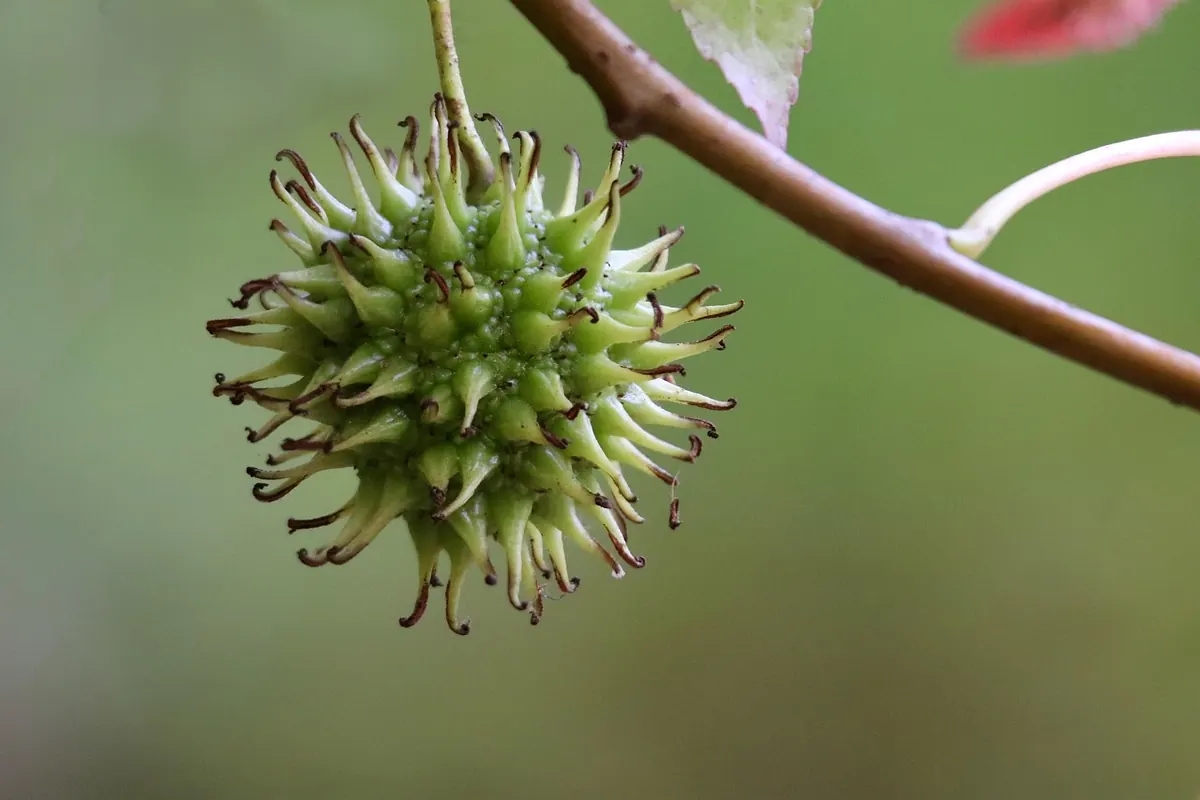
Two gardens, same street, same variety of apple. One tree romps away into a five-metre monster that needs a ladder and a brave streak. The other stops at head height, fruits in its third summer and can be picked with a mug of tea in the other hand. The gardeners aren't doing anything dramatically different. The difference is underground, in the rootstock.
Almost every fruit tree sold in Britain is two plants grafted into one. The top part — the scion — is the variety you want to eat: 'Discovery', 'Conference', 'Victoria'. The bottom part is the rootstock: a plant chosen entirely for its roots, never for its fruit.
Grafting fuses them so the tree behaves as a single plant. The rootstock does the digging — roots, anchorage, water and nutrient uptake. The scion does the canopy, the blossom and the crop. The reason is predictability: a piece of 'Cox' grown on its own roots would be a lottery, variable in size and slow to crop. A named rootstock is the chassis the variety is built on.
Size is the obvious one, but not the only one. The rootstock influences:
The trade-off matters. A dwarfing rootstock doesn't simply shrink everything: it reduces the root system, which reduces vigour, which tips the tree's energy towards fruit rather than wood. You get a smaller tree cropping earlier and harder for the space it takes. What you lose is foraging power. A small root system can't chase water and nutrients over a wide area, so a dwarf tree leans on you for watering, feeding and weed control.
Nurseries use named rootstocks rather than vague words like "dwarf". These are the ones you'll see most often. Heights are a guide for a well-grown tree in reasonable garden soil; a vigorous stock on thin chalk will underperform, and a dwarf on deep loam will overshoot.
Pears usually go on quince: Quince C is the dwarfing option, Quince A the semi-dwarfing one. Both need staking and both dislike chalky, alkaline soil — on lime, ask for a seedling pear rootstock instead. Some pear varieties are incompatible with quince and need an interstock, so check before ordering.
Plums commonly come on Pixy (roughly 2.5–3 m), St Julien A (3.5–4.5 m) or Brompton (vigorous, for larger sites). Sweet cherries want a lot of room unless you use a dwarfing stock such as Gisela 5, which brings a tree down to about 3 m with staking and careful feeding. Colt is the more vigorous, hardier choice.
Start with the space, not the variety. Be honest about what you can manage, and remember that spread matters as much as height.
Shelter changes the answer too. A rootstock with weak anchorage is a poor choice on an exposed ridge, however small your garden. And shallow soil over rock or hard pan will halve the vigour of almost anything, so a semi-vigorous tree there may end up the size of a dwarf — which can work in your favour.
The graft union is the knobbly join where scion meets rootstock, usually 10 to 20 cm above the nursery soil line. Keep it above ground when you plant. Bury it and the scion may push its own roots, cancelling the dwarfing effect and quietly undoing your planning.
If you inherit a tree that's already too big, you can't change its rootstock. Pruning manages the canopy, but the rootstock sets the underlying vigour.
Ask the nursery one blunt question: which rootstock is this tree on? A good supplier answers without hesitation. If nobody can say, buy elsewhere — you're being sold a decision you can't make.
Then check the practical bits. Measure the space, including the room a mature tree needs rather than the gap you have today. Decide whether you want to pick from the ground or from a ladder. Look at the soil, the drainage and how much wind the spot gets. Trees sold in containers are almost always on a dwarfing rootstock, which is useful to know but worth confirming. And if you're planting close to a boundary or on rented ground, check who owns the land and whether any restrictions apply before you dig.
Get the rootstock right and everything afterwards — pruning, feeding, picking — becomes an easier conversation with a tree that suits the place you put it.
Photo: Nennieinszweidrei / Pixabay