Trending

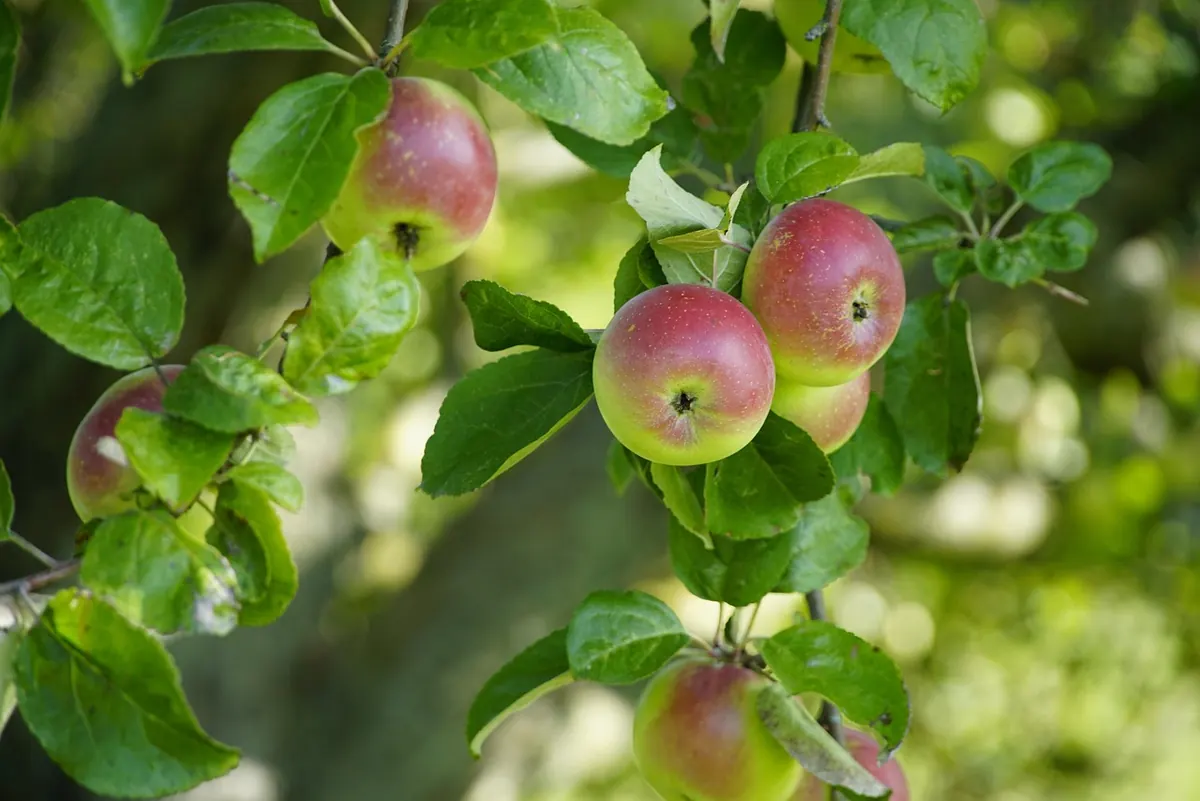
By early July a heavy-cropping apple tree looks generous: branch after branch studded with small green fruitlets, every one of them promising. It is also a problem in the making. Left to itself, that tree will ripen a mountain of small, dull fruit, and at least one branch will be sagging low enough to worry you in the next gale. Thinning — taking off the surplus by hand while the fruit is still small — is the cheapest improvement you can make to a crop, and one of the few jobs in the garden that pays you back in the same season.
Fruit size is decided early. In the first few weeks after flowering, young apples and pears are busy dividing cells; after that they mostly swell. A tree has only so much sugar and water to move around, and it shares that between however many fruits it happens to be carrying. Halve the number and each remaining fruit gets roughly twice the share. That is why a thinned tree gives you noticeably larger fruit rather than simply fewer.
Quality follows size. Fruit with room to grow colours better, tastes sweeter, bruises less at harvest and keeps longer in store. Where apples sit pressed against their neighbours, they ripen unevenly, and rots pass from one to the next. Codling moth caterpillars make the same journey wherever fruits touch. Then there is the tree itself: a branch carrying three hundred apples can snap in a summer storm or simply crack under its own crop. And on varieties prone to biennial bearing — a heavy crop one year, almost nothing the next — thinning the heavy year lets the tree build flower buds for the spring after, which evens out the whole rhythm of the orchard.
Wait for the June drop. In early summer a tree sheds a proportion of its fruitlets when it cannot support them, usually mid to late June across most of the UK, later in the north or after a cold spring. Thinning roughly a fortnight after that drop is the reliable window, once the remaining fruitlets are thumb- to walnut-sized, about 2–2.5cm across.
Earlier thinning does give a slightly better size response, because the fruit starts sharing the tree's resources sooner. But thin before the June drop and you may be removing fruitlets the tree would have shed anyway. If a tree has set an obviously enormous crop and the drop looks finished, start as soon as the fruitlets are big enough to handle — often the first week or two of July. Pears shed less heavily than apples, so their window is more forgiving: late June through to mid-July.
Two conditions. Work on a dry day if you can, so your hands and the fruit stay dry and you can see defects clearly. And do not thin a light crop at all. A tree carrying a scattering of fruit after a frost or a poor pollination spring should be left well alone.
Spacing is the easiest way to judge it — a closed fist is a handy gauge for roughly 10cm.
A rough check is to look for a good handful of healthy leaves behind every fruit you leave. And if a tree has set lightly, thin lightly — the aim is fruit that never touches its neighbour once it is full grown, not a rule applied blindly.
Leave the spur and its little rosette of leaves intact. Those leaves feed the flower bud that will crop next year, so a tidy thinning removes the fruit and its stalk close to the fruit, not the wood it grew on. Snapping off spurs to save a second is a false economy.
Watch the weather too. Thinning in a wet spell leaves small wounds on the spur just as fungal spores are moving about; a dry morning is kinder to the tree. And if you find maggoty fruitlets, do not drop them at the foot of the tree.
Photo: jhenning / Pixabay